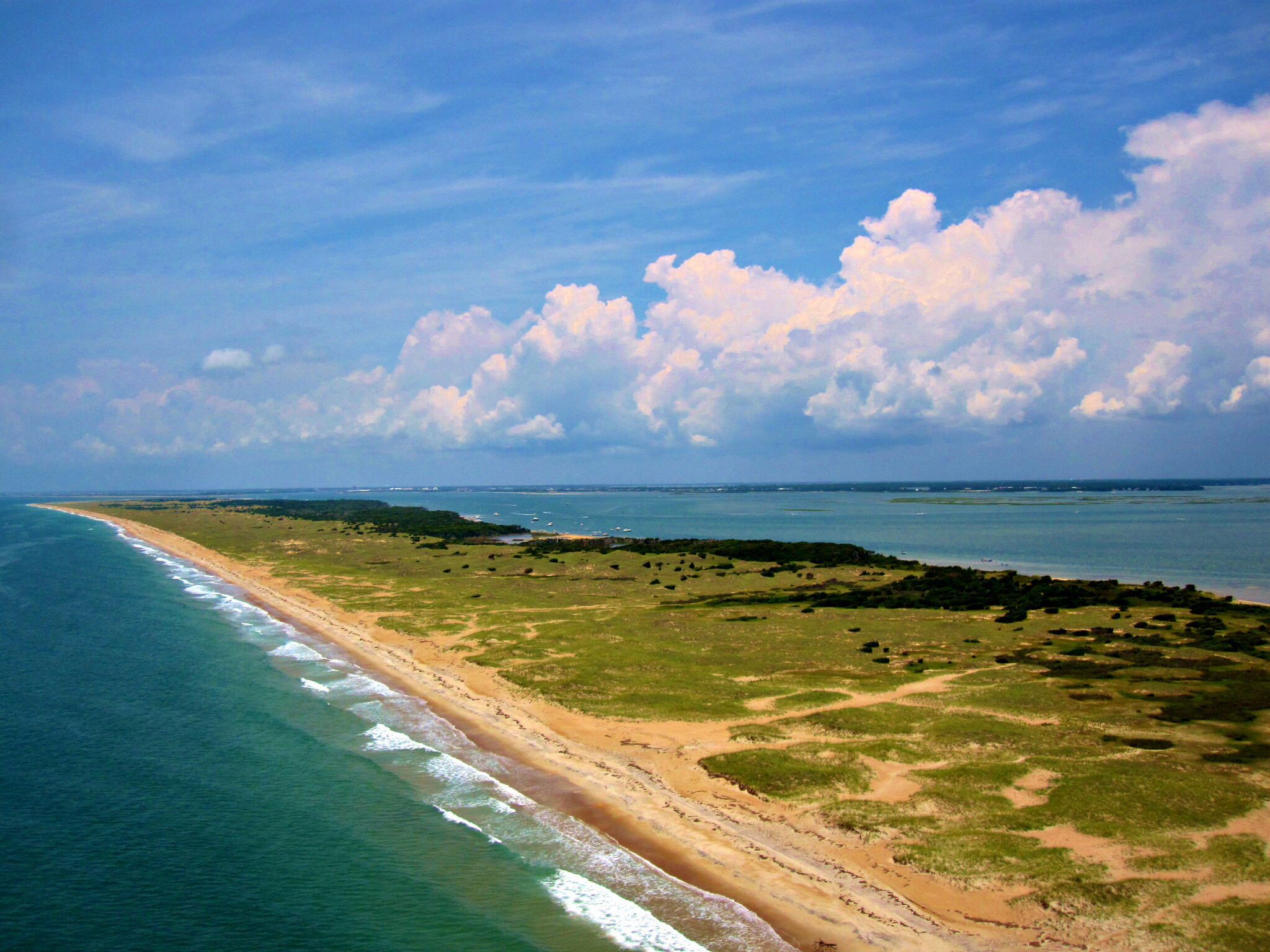


Coast Guard Stations and their preceding Life-Saving Stations along the Banks were central to community life there. Stations at Portsmouth Vilage, Station Atlantic #189 (northern tip of South Core Banks), and Cape Lookout contributed greatly to life events and financial opportunity of each location. Ocracoke and Fort Macon stations flanked each end of the Banks.
Locals were optimal crew because they knew the waters and shoals , had sea-sense and also their families living on the Banks with them or close-by on facing Downeast areas allowed them to be with family on their one sunrise to sunset day of leave from their duties. From inception till each station’s decommission, locals sought to fill the ranks where dependable income existed hand-in-hand with the love and culture of being on these waters.

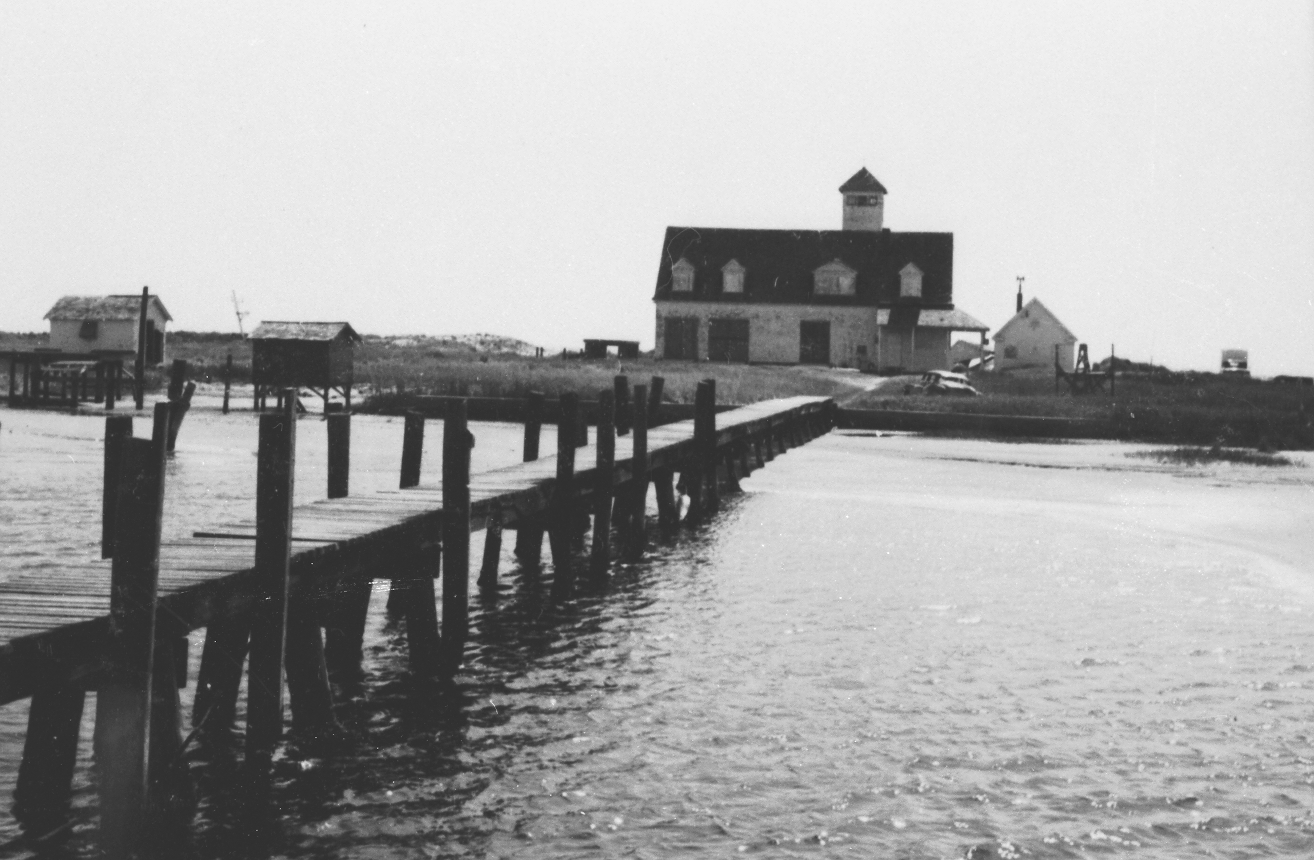
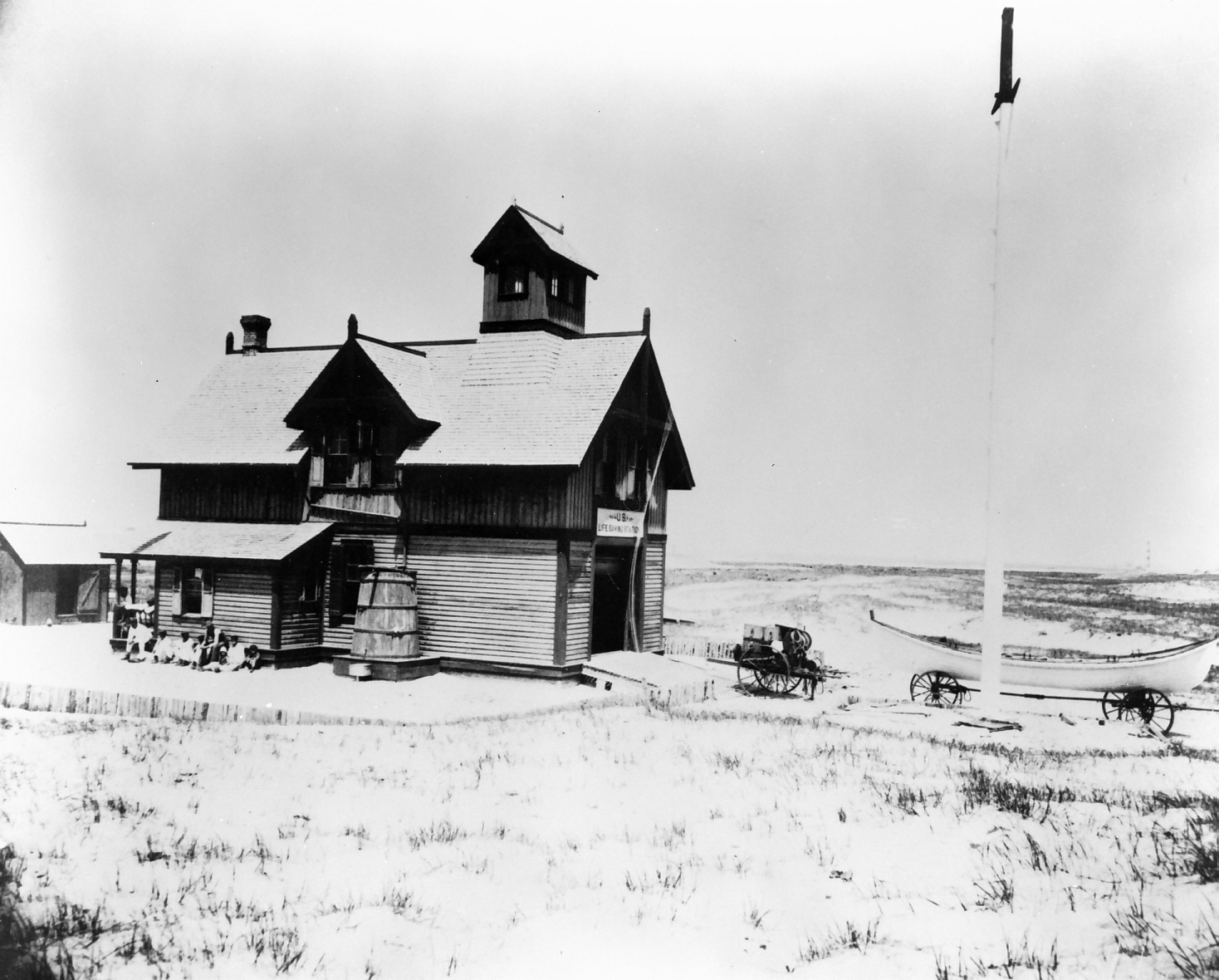

Tyre Moore and Fred Gillikin had each already been recognized for their heroism in prior ship rescues—Moore with the February 1905 rescue of the Sara D. J. Rawson and Gillikin with his role in rescue of the Melrose. Now they and the other surfmen had become part of the newly organized Coast Guard (two months earlier) and were about to perform the first rescue by this members of this new entity. (March 17, 1915—the “Sylvia Lee Hall” )
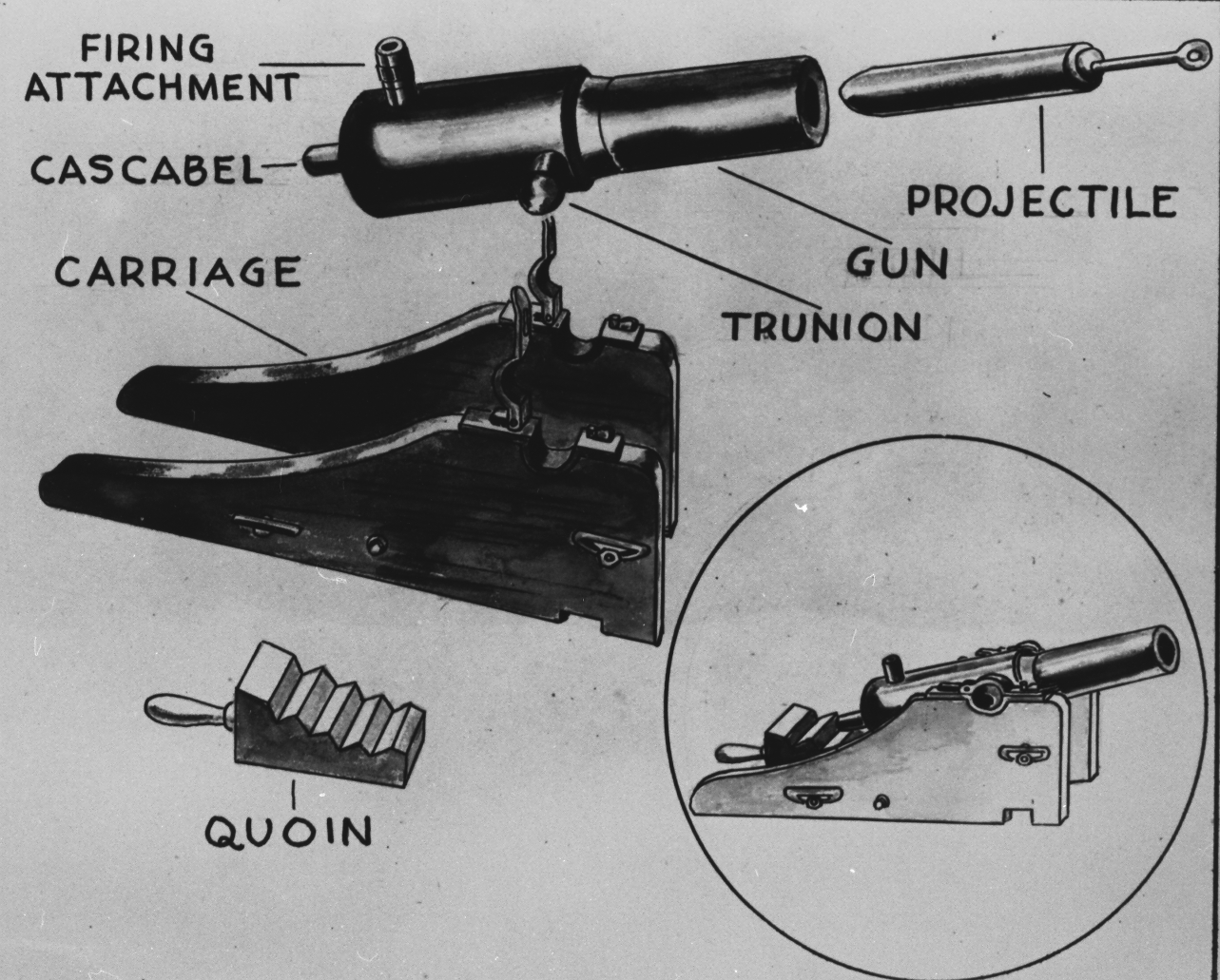
The Melrose wrecked offshore midway between the Portsmouth and Core Banks Station. Crews from each converged after notification by locals. The Lyle Gun was used to shoot a line to the ship for enable the use of the Breeches Buoy to remove the Melrose crew. That crew, however, were unable to secure the line high enough in the rigging which led to Surfman Fred Gillikin working the Buoy hand-over-hand thru the surf to reach the Melrose where he successfully corrected the issue and the crew was brought to shore one by one.


Tyre Moore, of Shackleford Banks, was among the crew, all suffering from influenza, who nevertheless went out to rescue the Sara D.J. Rawson. The crew were given the U.S. Lifesaving Medal for what was a daring rescue under adversity.
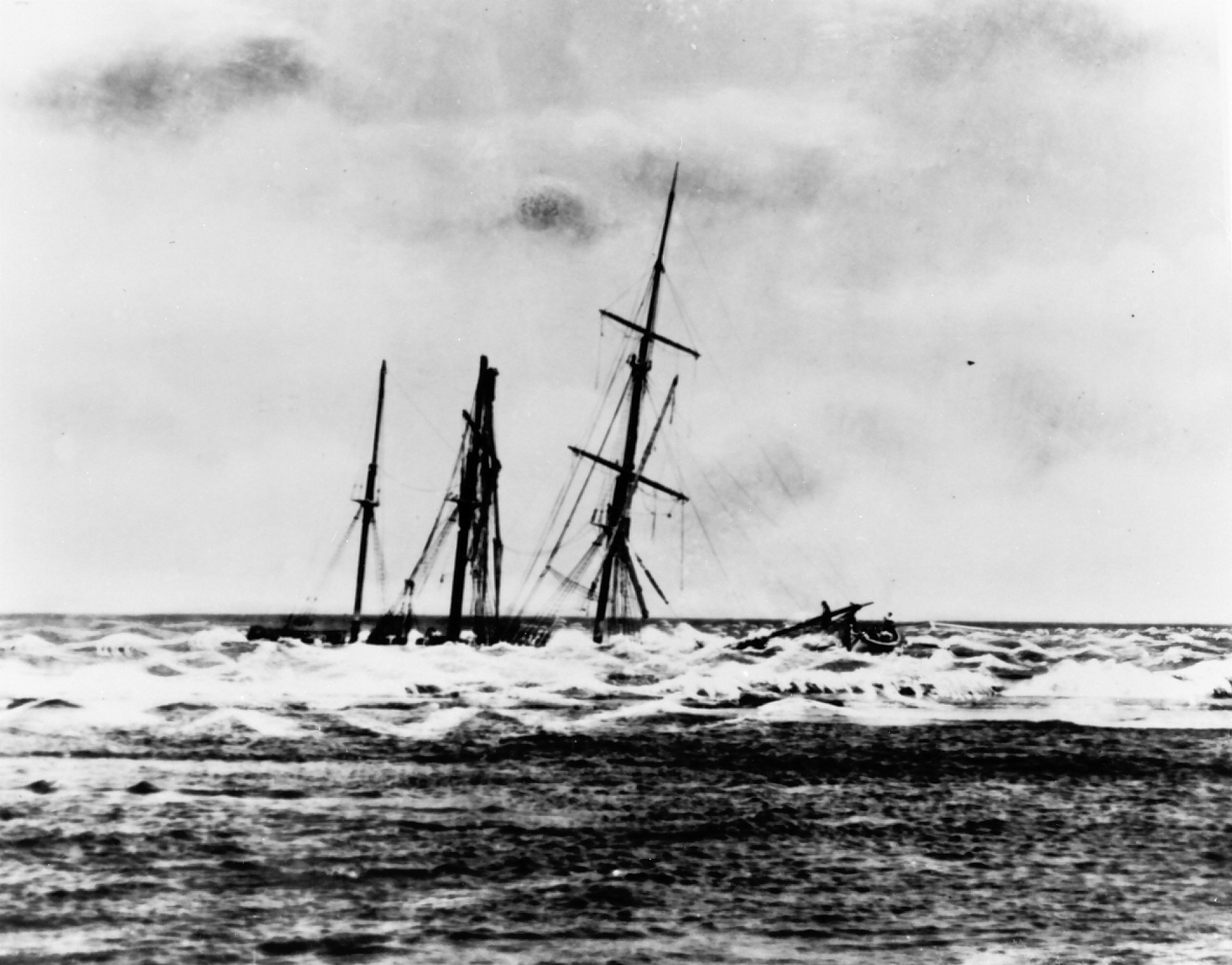
The crew of the Cape Lookout Life-Saving Station had spent more than 24 hours in their boat–with no food or water, in the middle of a storm, and exposed to the elements with most of the surfmen sick with the flu. But, they were able to rescue every sailor left on board.
Tyre Moore, of Wade Shore on Shackleford Banks joined Gillikin and others in the 1915 rescue of the vessel Sylvia Hall.

The Sylvia B. Hall was a 3-masted vessel of near 400 tons that was caught in a furious gale under dark, ominous skies and amid churning seas. The wind chill was well below zero as they ran aground on the shoals off Cape Lookout. As the crew of the Hall began furling sails in the unlucky dawn, they were seen by the station’s Bos’n Yeomans who sounded the alarm.
It was March 17, 1915–only two months after the Life-saving Service became the new U.S. Coast Guard. Thirty-seven year old Fred Gillikin was Station Keeper with a seven man crew.
Too far away for a breeches buoy rescue, the crew hustled to the new 36 foot motor lifeboat in the bight and were underway –leaving the Bight and under the view of safely anchored fishermen–who later told they never expected to see crew or lifeboat return from the raging seas.
Rounding the Bight and into the full fury of the storm, they headed for, but were unable to reach, the stranded schooner. The engine died, returned to life, then sputtered–all against breaking waves and knee-deep water in the rescue boat. A crashing wave threw two seamen down, badly injuring Tyre Moore. All day they struggled to get near the vessel (which had no evidence of survivors aboard) but fuel ran low, the engine was untrustworthy, crew was wet and cold and unfed for nearly 24 hours and dark was coming. Cap’n Fred decided to return to station, and prepare for early return.
It was “the worst moment of our lives”, the Captain of the Hall later related.
Rigging and debris made the approach impossible when the surfmen returned at daybreak. However Gillikin has wisely towed behind the 26 foot pulling surfboat which he , Yeomans and the injured Moore manned. The surf boat was able to maneuver thru the debris and with two trips carried away the Hall crew to safety.
Amid everyone’s joy of triumph, they could celebrate what was the first- ever rescue performed by the newly formed service.
Gillikin lived to reach 100 years of age– which was celebrated by hundreds.
To learn more about Fred Gillikin, explore his research page of this blog.


Leave a Reply