


The “Bad”–

The “Ugly”
The earliest examples of cars on the Southern Outer Banks were those brought to Portsmouth Village by residents, and later by fishermen. Also, The Channel Bass fishermen (the predecessors of the Davis Island Fishing Foundation) likely had cars in the 30s.

1931–Walker Styron’s Chevrolet in deep sand–Walker and Margaret Peale

1933 in Portsmouth–Wilton Gaskill’s car


Certainly, after WWII, surplus military vehicles joined the Model A Fords as frequently used foundations for Banks vehicles. Time would see a wide array of vehicle makes and styles brought over to camps for fishing, outings or just hauling gear (supplies, propane tanks, etc). Rust quickly destroyed the brakes, causing drivers to learn to coast to a planned stop. Mufflers had a short life—bringing loud noise along for the ride. Car bodies were cut out around the wheels to allow wider tires—rims were halved and widened to allow wider tires with low pressures to navigate the sand. Customized, even fancy, adaptations passed purely functional cousins on the beach.

photo courtesy of Mike Carrol
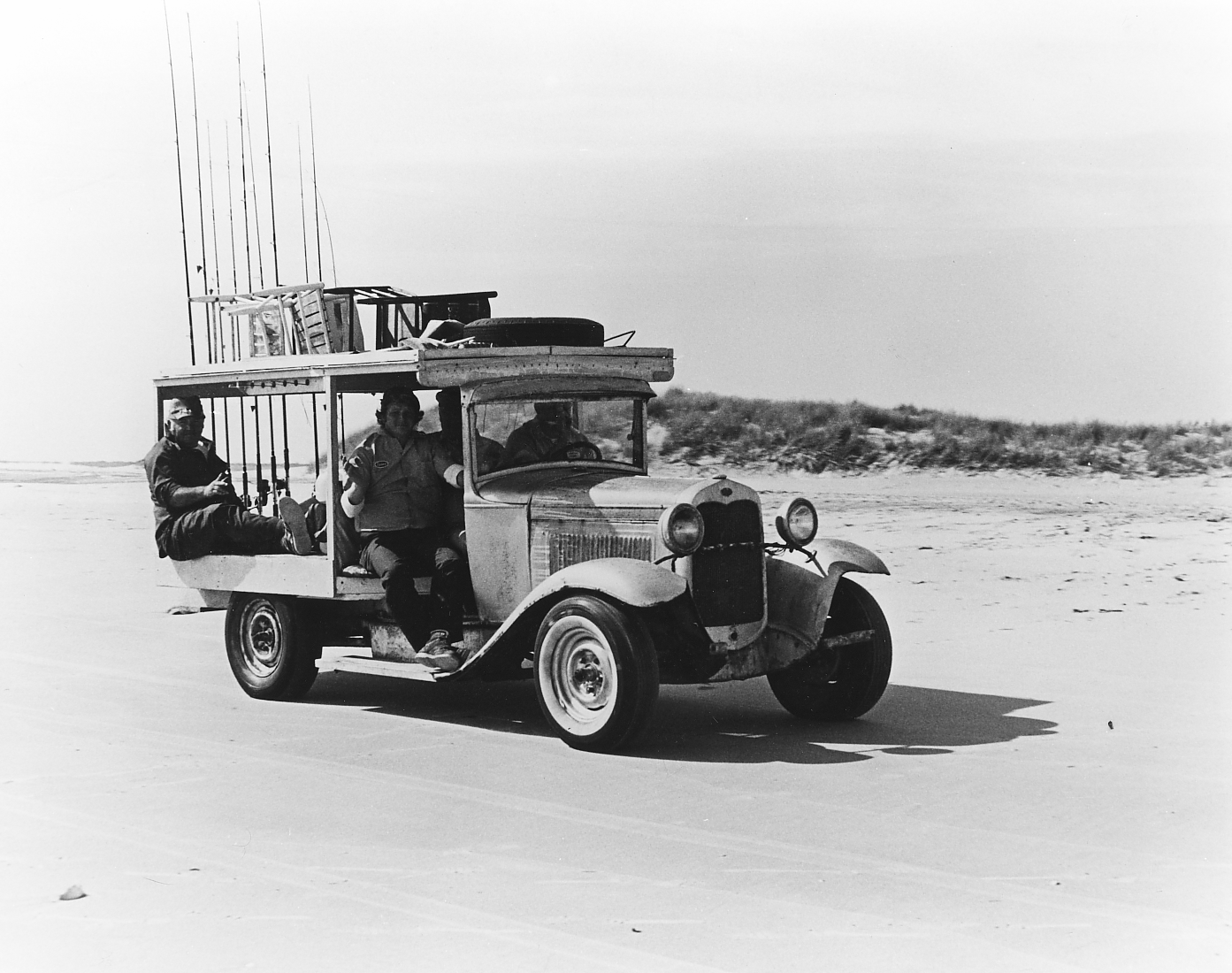


Charlie and Sis Vellines kept a vehicle on the banks


Core Banks Club

photo courtesy of Sam Bass, Jr.
1966 Chevy Commercial–a brand new 1966 Chevy was blown up at Cape Lookout as part of filming there and at Fort Macon–on You Tube (the regular commercial and a longer version with Lorne Greene, of Bonanza fame).
The film crew and actors stayed at the Reeves’ A-frame and Cape locals witnessed the explosion.
———————————–
Self-sufficient Bankers could repair and bring buggies back to life again and again, but many vehicles eventually succumbed to the environment. Some were left where they died, but many were towed to out-of -the -way auto graveyards or were used to construct “sand fence” walls and barricades against storm surges between the camps and surf.


Transport of vehicles to the Banks entailed tight fits on small ferries initially, Locals tell of tying boats side-to-side to allow carrying cars over to the shore. Owners of fishing camps later and currently expanded these transport opportunities.


The Core Banks Club on South Core Banks had their own dedicated ferry for members. (see below)

Core Banks ferry alongside their dock.
From first Congressional discussions in 1934, or the Presidential signing in 1966 authorization of Park establishment and through the mid-1970s planning for use—the debate over re-creation of a wilderness setting versus variable degrees of public use was waged. Protection of restricted on-beach vehicle access for fishing and camping won a place on the Core Banks, whereas, Shackleford Banks would be foot traffic only.
This move toward “wilderness” setting necessitated the removal of 400 or more structures, round-ups of livestock (cattle, sheep, goats, and some of the horses), trash and debris clean-ups AND the removal of over 2,300 vehicles (some sources say closer to 3,500).


The State initially tried using private contractors and Park Service staff. Later extensive help from the National Guard finally completed most of this goal. Some vehicles remained hidden in thick brush or under sand dunes—that is a discussion in itself.
Fort Macon uses Christmas trees to build sand fences and trap sand. Locals have repeatedly said that the Banks would have healthier dunes and protection if only the cars had been left in place to similarly trap sand and build protective dunes.

The small lump-like dunes represent vehicles submerged in sand with intended dune creation for camp protection.
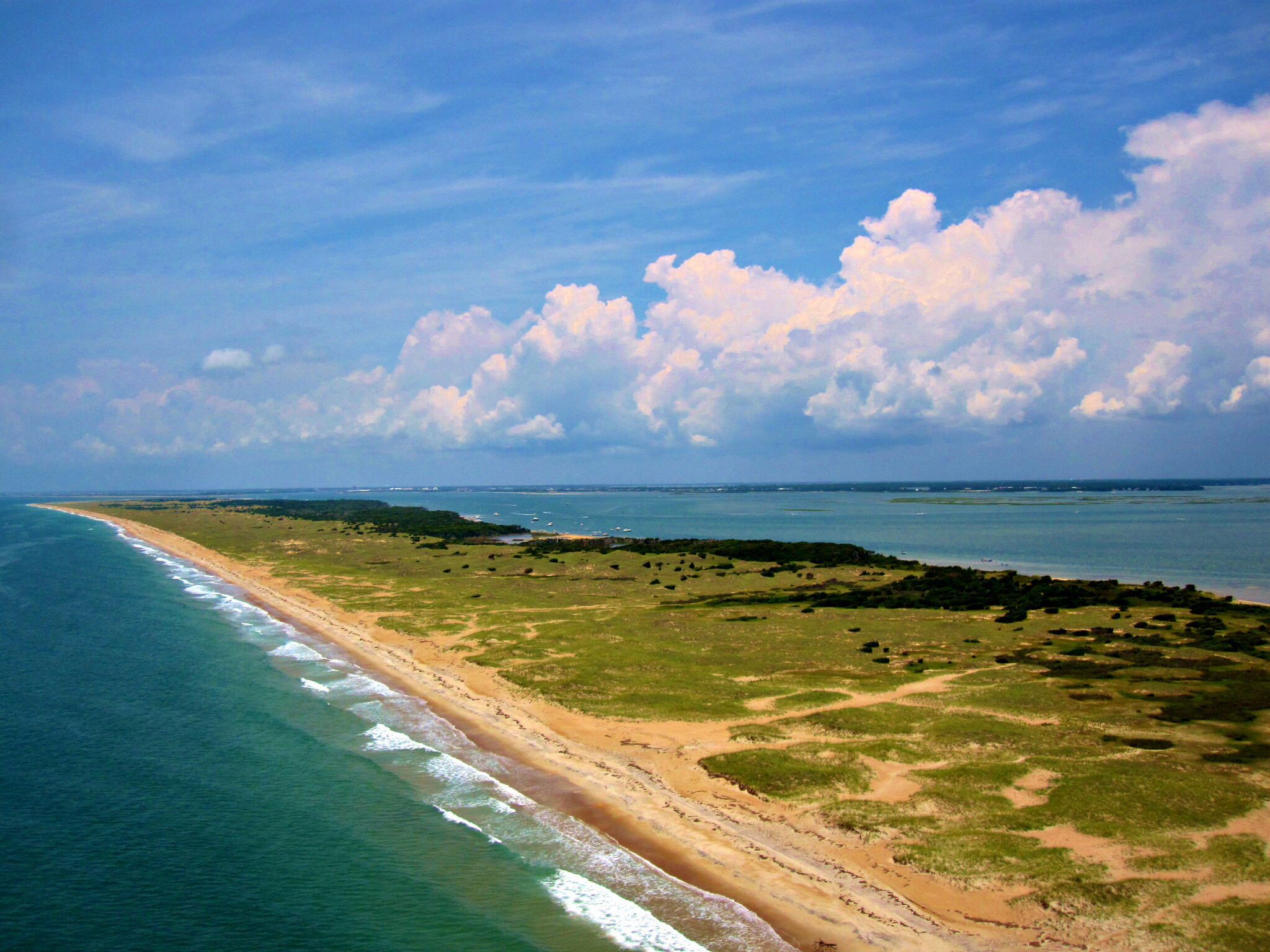
(I personally value the idea that we today and our grandkids tomorrow will walk toward the surf on the Banks and look left, then right, and see no permanent or detrimental trace of man.)

Additionally, besides visual impacts, damge to people or vehicles from projecting vehicle parts has been an issue. Most have now turned to red-brown sandy spots in the dunes or diminished skeletons of vehicles occassionally encounterd.


Vehicles were an important functional asset to the 400 camps on these Banks. Fishermen and camp owners would often leave a car at one of the bigger camps and often drove them onto elevated platforms to protect from storm-driven over wash and high tides.


The debate over dune creation by abandoned vehicles continues but visitors to the Seashore now experience a more natural vista.


Leave a Reply