
Contents
Story
Decoys
Credits

🟡 MODERATE RESEARCH VOLUME
OWNERS
Leon Salter
Forrest Daughtry
Date late 60’s
Date late 60’s
OTHER ASSOCIATIONS
the Salter family and their friends
LOCATION
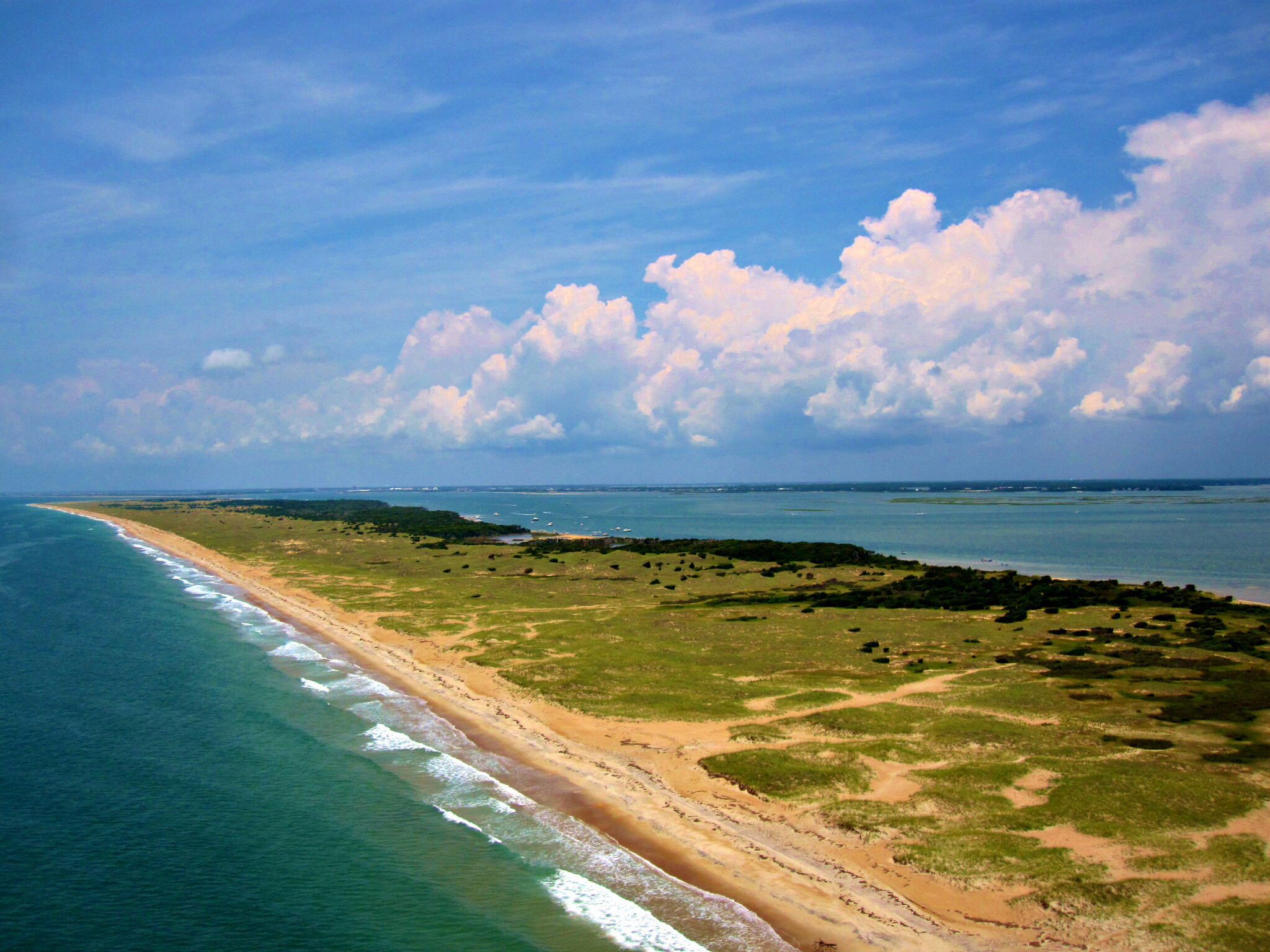
Uncle Billy’s Creek, Sheep Island, North Core Banks
Story


do you know more? contact me.
Salter Camp–post WWII
Salter Family Camp— on Uncle Billy’s Creek—————————————-
interview with Leon Norman Salter- in Atlantic–Nov 1, 2021
The camp was built in the late 60s by:
Leon Salter–Len’s dad–born in 1899
Forest Daughtry–from Dover
Charlie Berry–Craven County Sheriff
and uncle Tom Salter
—construction by Dallas Willis (of Sea Level)—who was the husband of Dot Salter, Ben’s daughter. (Dot and Dallas later obtained one of the Portsmouth Village leases for their use).
Earl Hamilton–long haul fisherman (transported the materials for the construction as his contribution to the effort)
Ben Salter–born in 1899 (He and daughter Dot wrote a book of short memories of the banks–including one story that discussed the trees on the banks being cut and shipped to the mainland for construction–taking a thickly forested island to the present form.)
Salter family–Ben was oldest
two sisters Virginia and Geneva
Charlie, Ross, Dave and Tom
The camp was on Sheep Island, up Uncle Billy’s Creek, which came in through Pauger (sp?) Slough
—one creek down from Battle Boy’s camp—coming through or near Three Hat Channel/ Three Hat Creek.
They had no ownership of the property, “just built it”–”back then, nobody cared “ –as long as you weren’t bothering others
—having no ownership rights, it was later burned down by the NPS at takeover.
Ross owned the property whereon he built his camp on the southern banks of Big Marsh Creek. Dallas is Ross’s son—who probably owns the property now, or his son does.
“Everyone had horses–all the kids anyway–that is what you”d do, ride horses–there wasn’t that much to do for kids–had to entertain yourself”
John Edward Salter was the first Salter to come to the area–in 1735, sent from the Massachusetts Bay colony to serve as magistrate for the Carteret County area–all his descendants till recent times have been listed as commercial fishermen–all the Salters originate from him, splitting up over time.
Leon, Sr. fished commercially in earlier years, then entered Civil Service at Cherry Point for most of his work career.
Leon Norman “was the only idiot to come back”, the other kids found lives away rom limitations down-east. After college and graduate school, Leon Norman taught math in schools in Maryland and Fairfax, Va. and later at Morehead Middle School. “I didn’t like being penned up inside”— so he became a commercial fisherman.
Horses stayed in two herds–the Bay Marsh ponies stayed on the Portsmouth side of Bay Marsh and a southern, wilder herd stayed around the High hills area. They were penned yearly. Bay Marsh ponies first, then High Hills horse herd, then the cattle The goose pennings were before this Leons time (info about this is in Ben Salter’s book, he believes). You had to pen the horses initially on foot. There was a leading fence from the marsh to near the runway—leading into the corral. The cattle were harder, scattered inside the merkle bushes instead of out on the marsh.
They had an old jeep at the camp for use and also a John Deere tractor (which was less likely to get stuck)—using these to trek to the beachfront or elsewhere—“it was a long walk to the ocean”. Leon Norman never did any drum fishing.
The interior of the camp was paneled with a living room/kitchen combo great-room. There were two bedrooms on the east end facing the ocean. Heated by an old wood stove and lit by both generator electric lights and gas lights, the camp had cistern water for drinking and well water for other uses (there being high sulfur content in the well-water). There was an indoors bathroom with septic system consisting of a large buried drum with the bottom cut out–which functioned well for the limited use they needed. Well water from the driven well was used for such functions. The structure was about 40 x 16 feet–would have made a good house. Trash was carried off the island when they left–leaving nothing behind–”Earl and dad would have had a fit” if a trash pile was left.
Leon Norman “just loved the banks–all of it”–”the hunting, the fishing….just being over there–the quiet, just the wind”—’no car sounds’ ”. He only carved a few–a dozen–miniature decoys–never functional decoys. The camp had stake blinds along Bush Shoals and a box blind at Pauger Point for hunting–there were other blinds up and down the banks. The door of the camp faced south. Charlie Salter was the only one remembered to have carved decoys. Possibly, Dallas Salter may have carved.


Decoys


John Wallace Salter decoy above and Ben Salter decoy below (from collection of Robbie Smith)


Ross Salter related that all the Salter men made decoys.
Credits
- Leon Norman Salter, Atlantic
- Other references within the text
- Roscoe Salter, Stella