
Contents
Story
Decoys
Credits

🟡 AVERAGE RESEARCH VOLUME
OWNERS
Fred Gray Gillikin
born March 4, 1878
1915 at Cape Lookout
OTHER ASSOCIATIONS
Life-Saving Service and Coast Guard
LOCATION
Cape Lookout Bight and Marshallberg
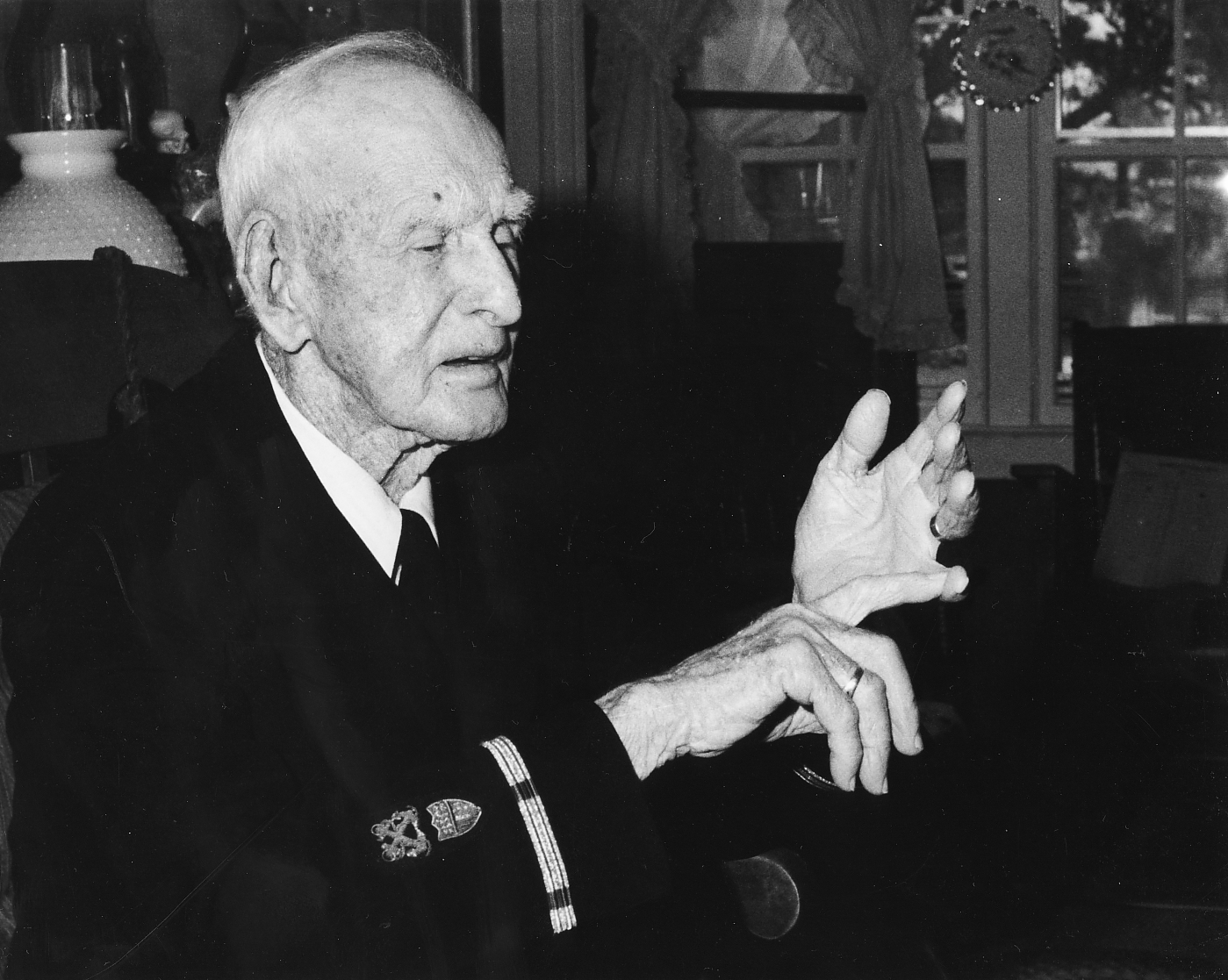
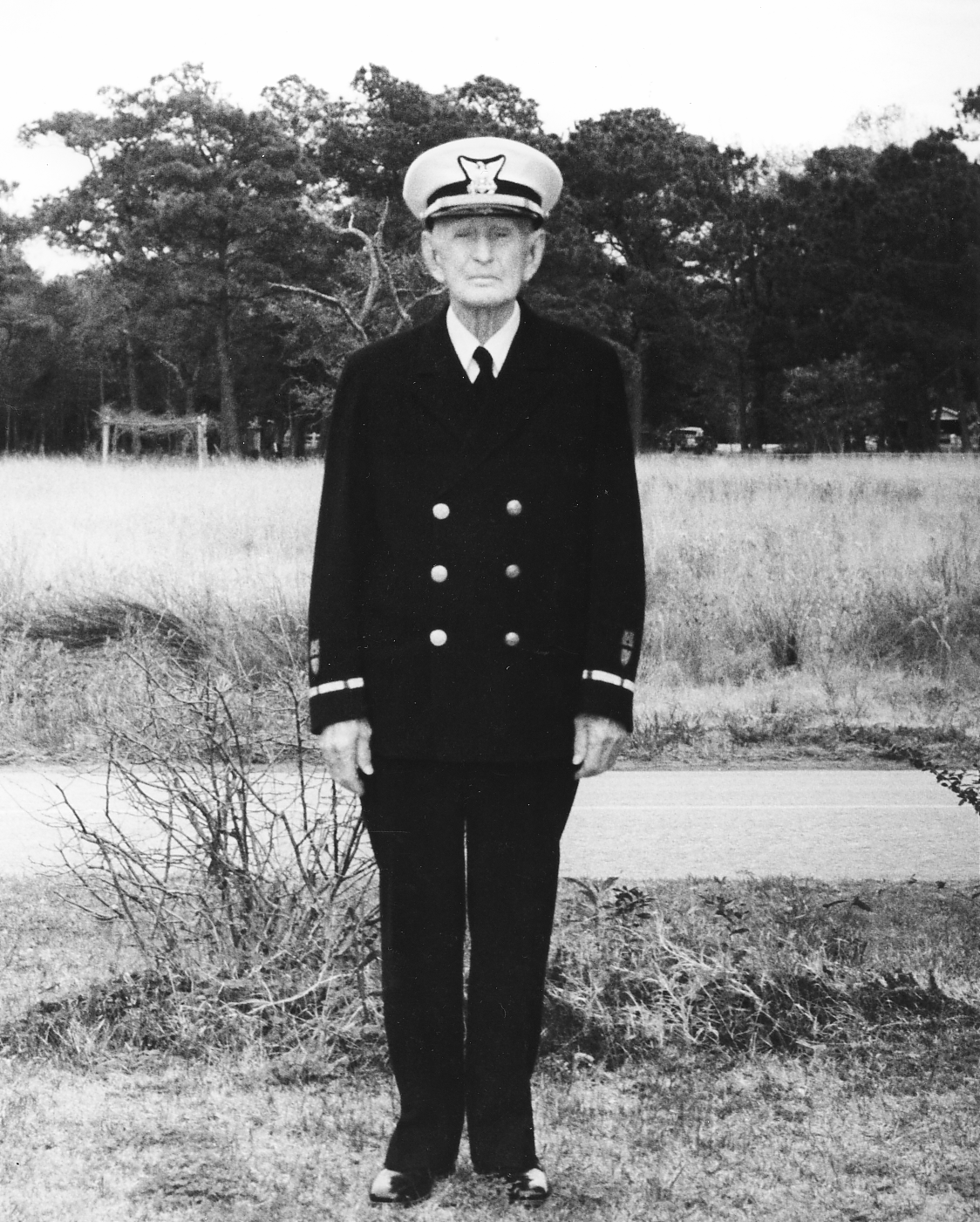
Chief Warrant Officer “Cap’n” Fred Gillikin

do you know more? contact me.
Title
Cap’n Fred Gillikin stands as one example of Bankers and Downeast citizens who made the Life-Saving Service and the U. S. Coast Guard part of theirs and our life and culture.
At the same time, these men created legends as they stood as central to these services.
Locals were optimal crew because they knew the waters and shoals , had sea-sense and also their families living on the Banks with them or close-by on facing Downeast areas allowed them to be with family on their one sunrise to sunset day of leave from their duties. From inception till each station’s decommission, locals sought to fill the ranks where dependable income existed hand-in-hand with the love and culture of being on these waters.
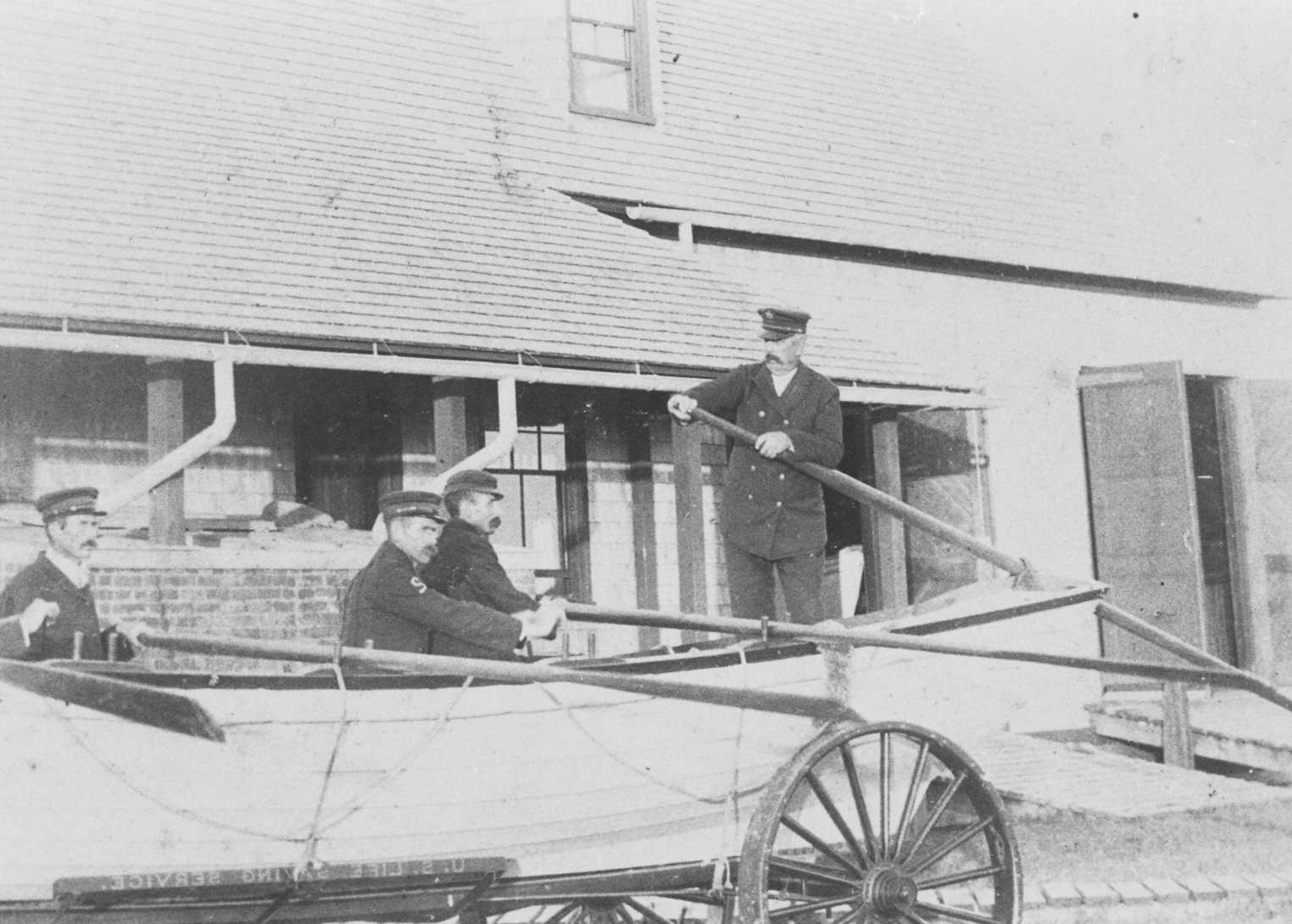
Fred Gillikin joined the Life-Saving Service on January 1, 1900 in fulfillment of a “life-long dream”.
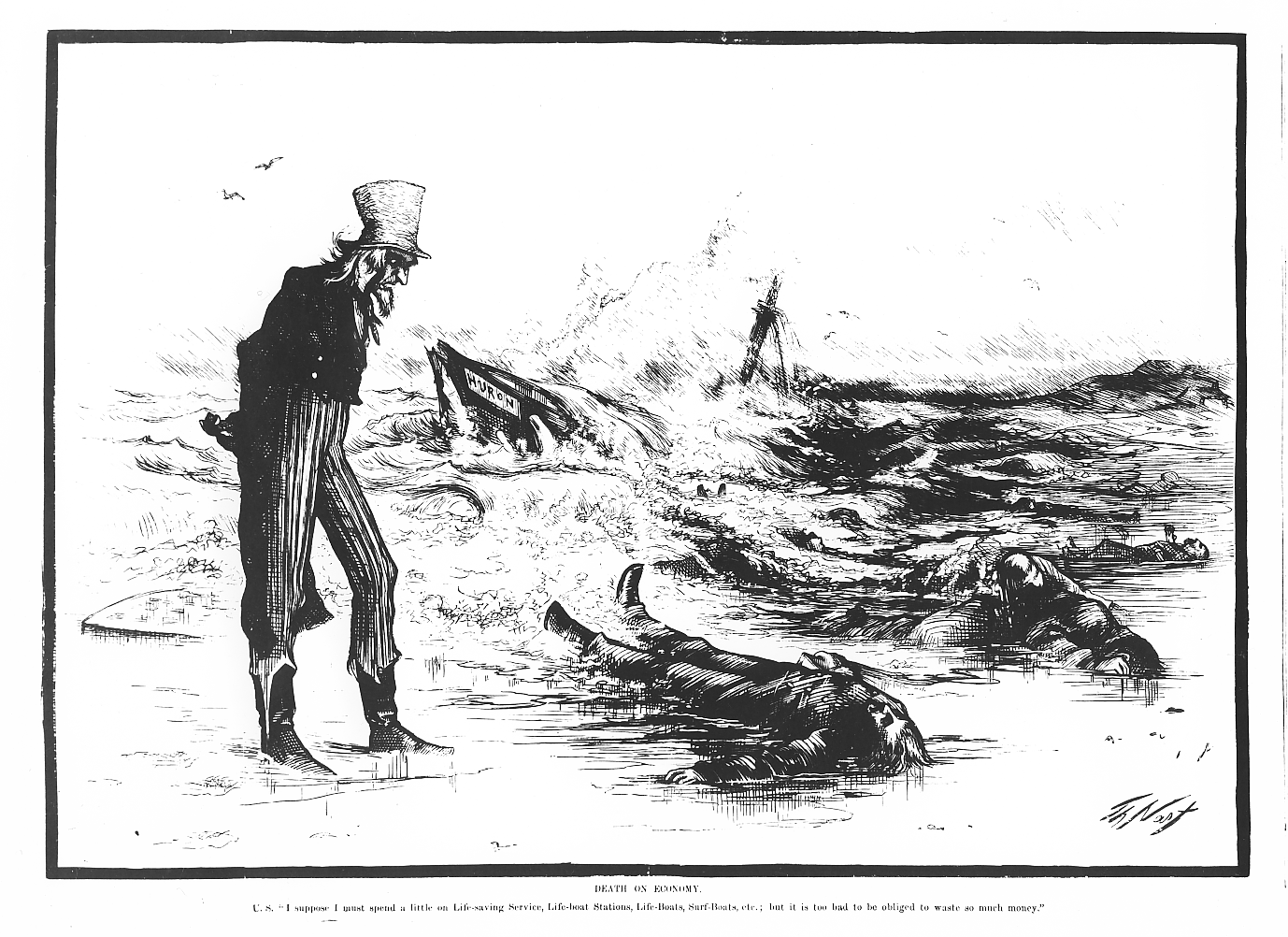
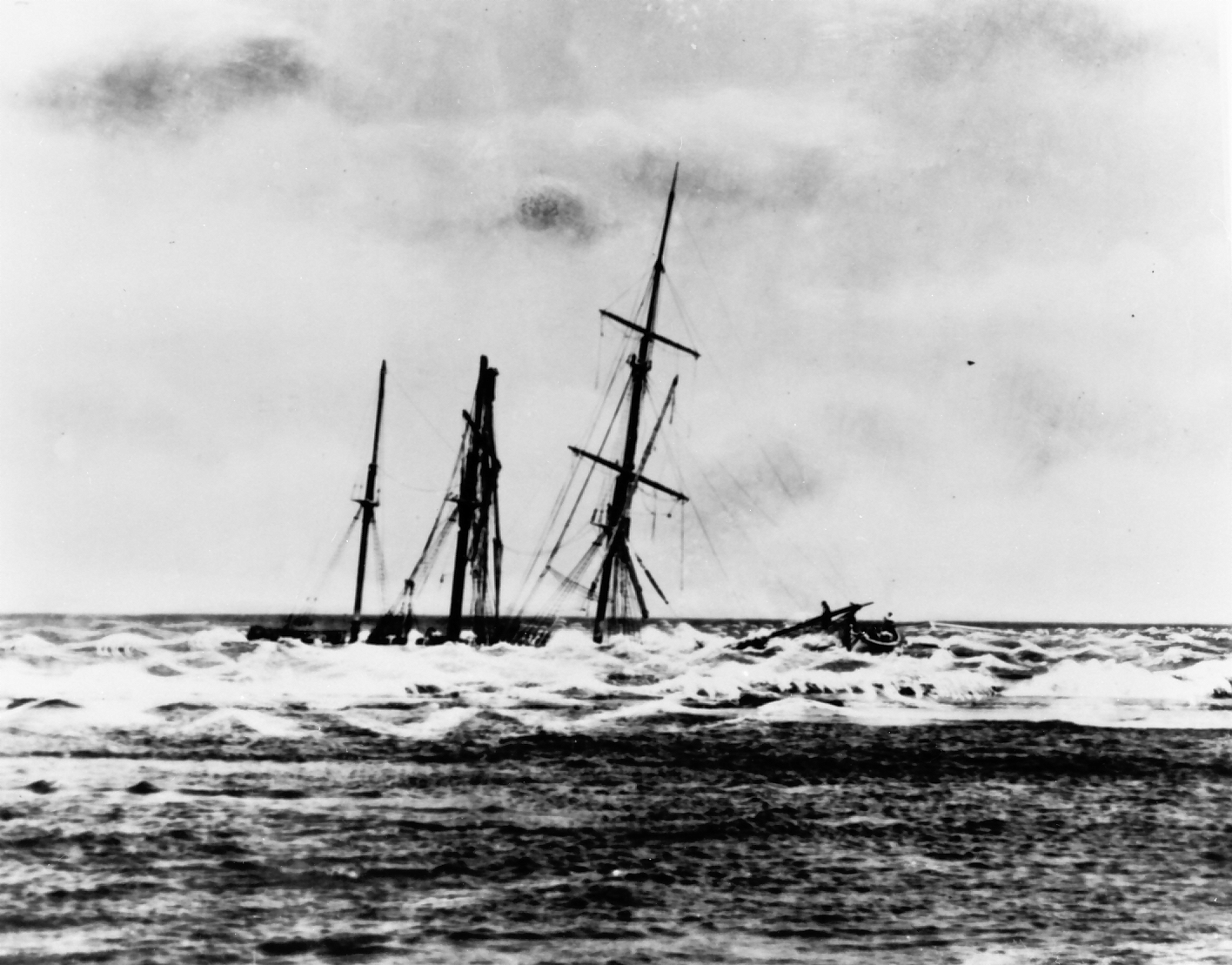
Recognizing the losses of mariners off the coast, “Uncle Sam” establishes the Life-Saving Service.


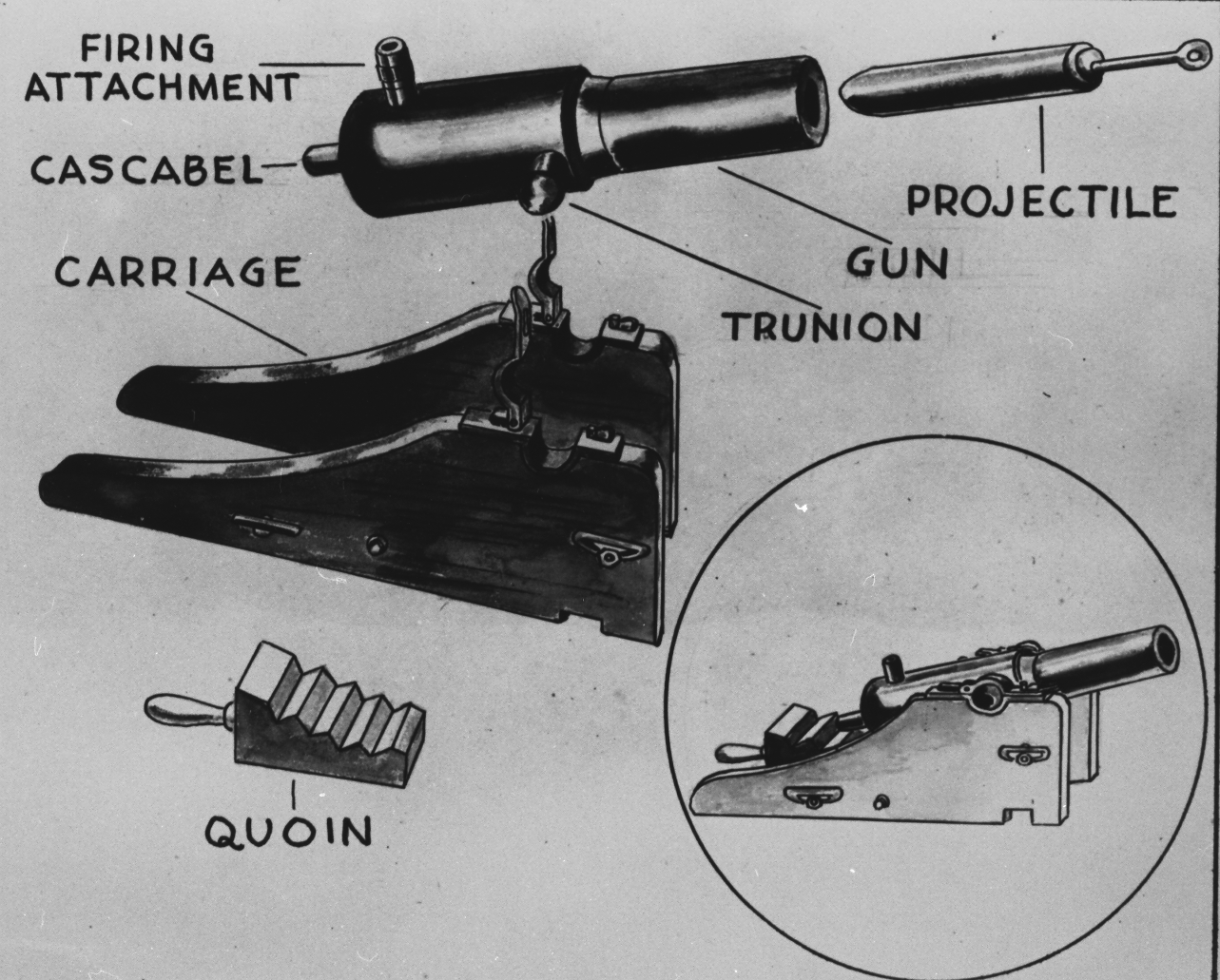
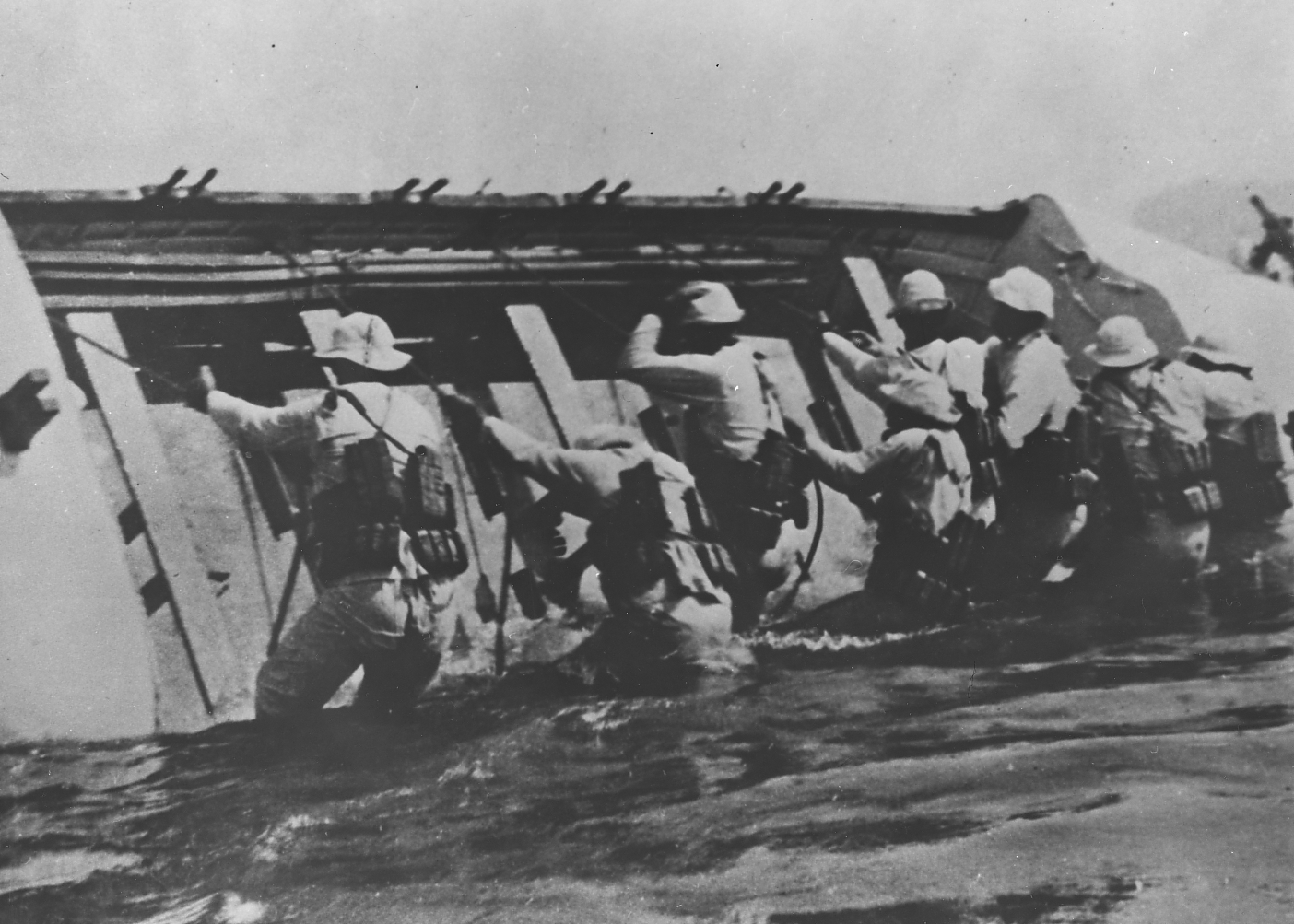
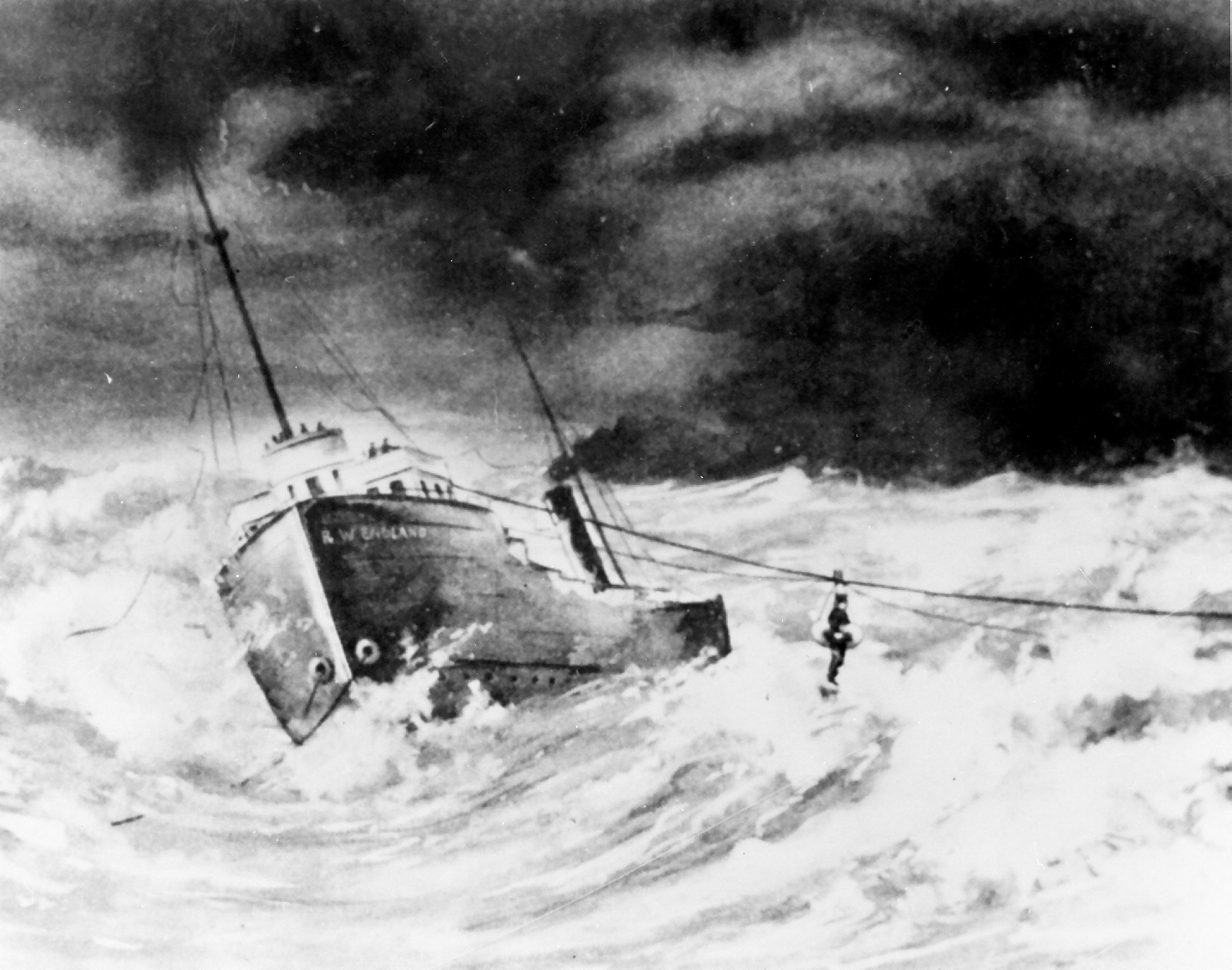
The summary following explains the maneuver in which Fred Gillikin was involved as he helped rescue the crew of the vessel Melrose mentioned above–diagrams are in the gallery below.
The Melrose crew were unable to secure their end of the line high enough in the rigging and Fred Gillikin was sent out along the line pulling himself hand over hand in the breeches buoy to reach the ship and optimally secure the apparatus–resulting in the rescue’s success.
In the early 1900s many shipwreck victims owed their lives to the breeches bouy rescue by the U.S. Life Saving Service (forerunner of the modern Coast Guard). The Breeches buoy was used for shipwrecks within 200 yards of shore. Although the range of the equipment was much greater, there was ilittle chance for survival for a victim exposed to surf and the cold if traveling a further distance.
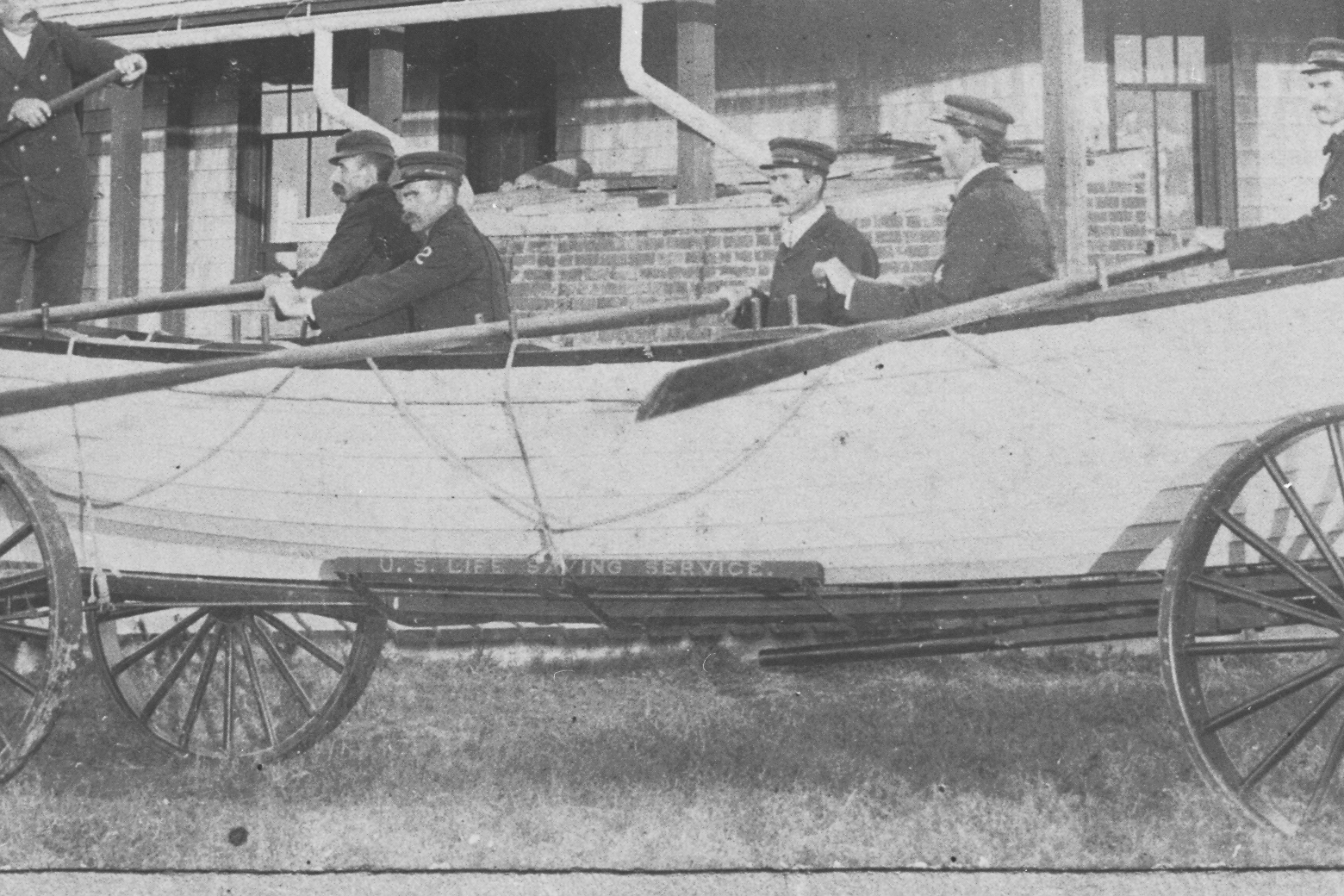
All the equipment necessary for the drill was stored on the beach cart, which the surfmen hauedl from their boat house to the wreck site. After the cart was un-loaded, a line-throwing cannon called the Lyle gun was used to fire a 20 lb. projectile with an attached line. The crew of the vessel in distress used this line to pull from shore a tail block with an endless line called a whip drawn through it. After the tail of the block was made fast to the mast, a heavier line, a “hawser”, could be run out to the ship by the life-saving crew.
The hawser was also made fast around the mast by the endangered crew, while on shore it was secured to a buried wooden sand anchor. The breeches buoy was hung from a traveler block run on the hawser, and is hauled to and from the wreck by the whip line. The breeches buoy was made of an ordinary round cork life preserver. It got its curious name because attached to it were short canvas breeches.
The rescue equipment, or more properly, “beach apparatus”, was used on the Outer Banks as recently as 1954. The method used at that time differed only slightly from the 1915 version. In those times, the beach apparatus drill was practiced every Thursday at over two dozen stations along the North Carolina coast.
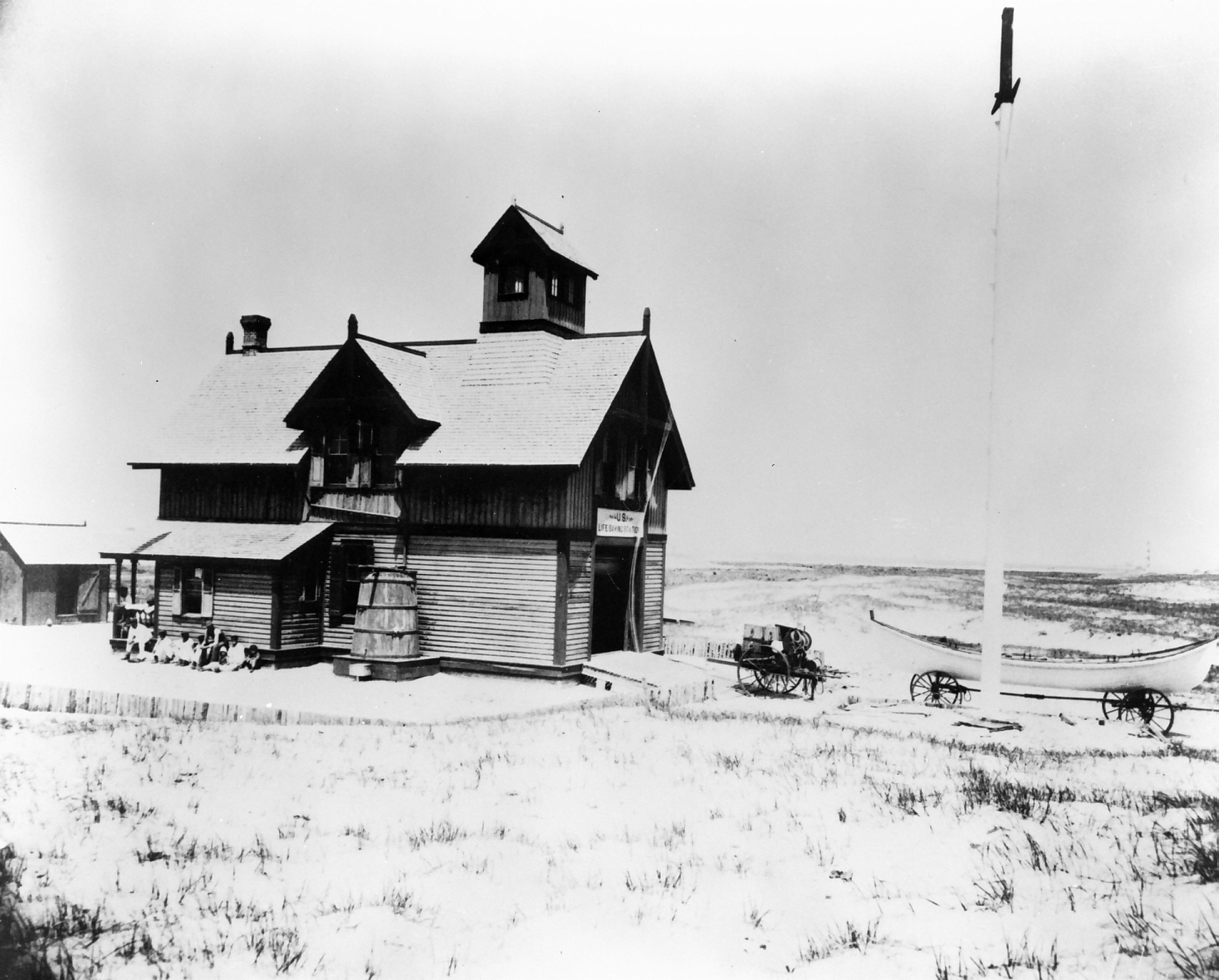
The United States Life Saving Service began operations along the North Carolina coast in the 1870s. Life Saving Stations were located at five to seven mile intervals. During the eight winter months each station was manned by a keeper and seven surfmen. “These men were responsible for patroling half the distance of the beach between them and the next station to the north and south. Surfmen walked this beat from sun-up to sun-down until they met their counterpart from the adjoining station.
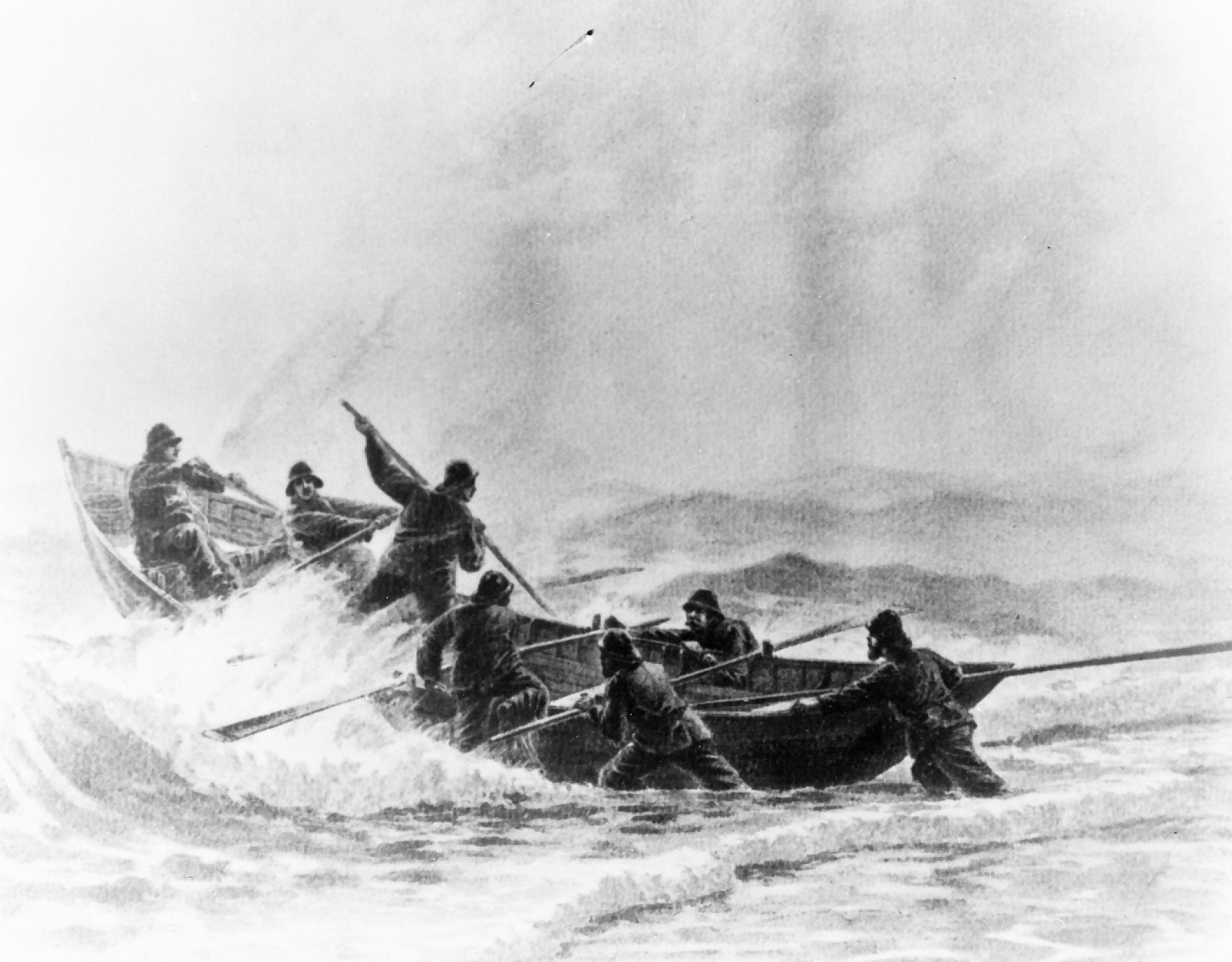
If a surfman sighted a ship in distress, he would fire a flare to alert the station. If the ship was too far from shore, they would use a surf boat to rescue the crew, rather than the beach apparatus.
From 1871 to 1915, the U.S. Life Saving Service went to the aid of 178,000 seamen. The courage that was typical of these men is exhibited by their unofficial motto:
“the book says we have to go out,
it doesn’t say we have to come back”.
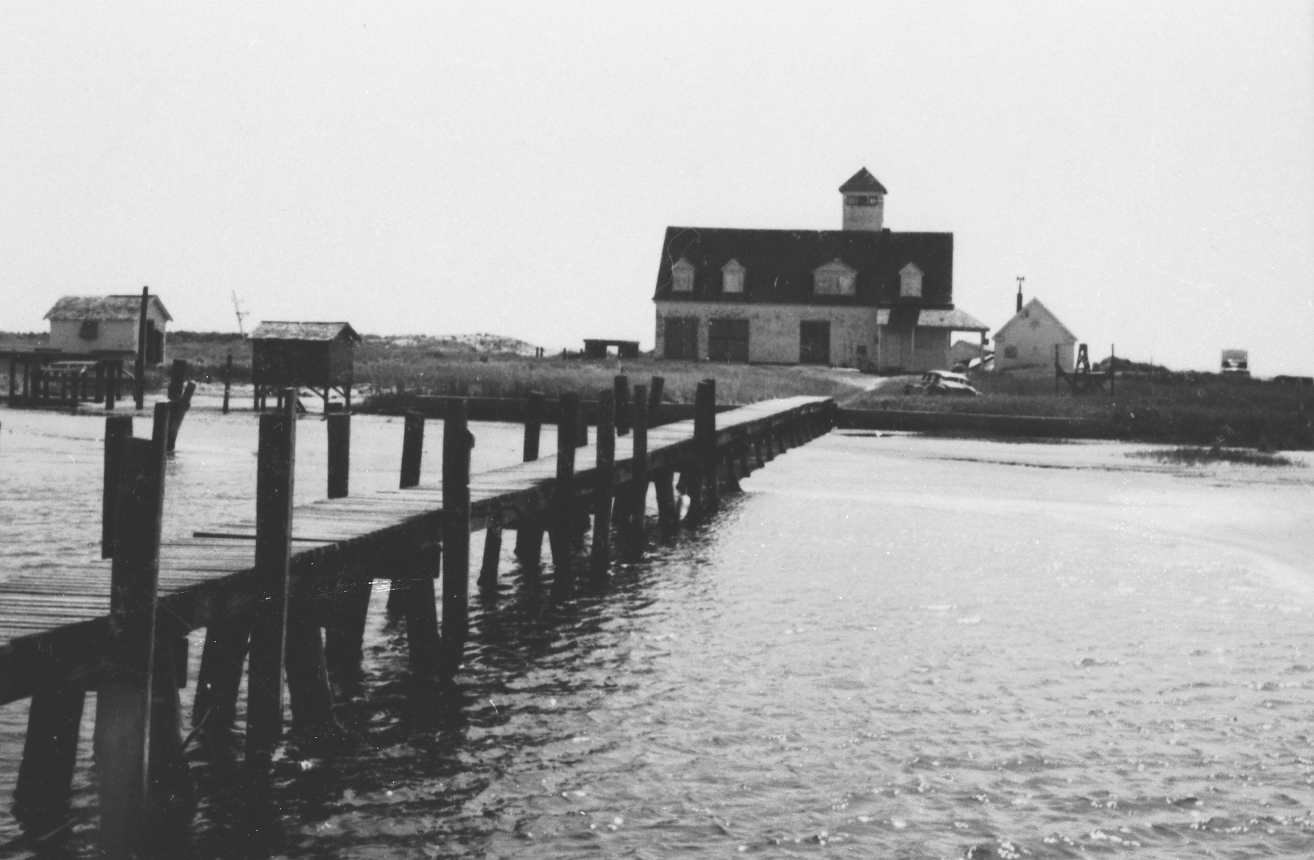
Cape Lookout Property–
On September 15th, 1915–Fred G. Gillikin purchased, from S.E. and Martha Willis, 25 acres along the shoreline of Lookout Bight, near the Lifesaving Station (Harrison’s Hill and westward toward Wreck Point, and up Wreck Point Creek)–along the west side of Cape Lookout Road.
Gallery
Two







Credits
- LCDR John F. Ebersole–THe First Rescue
- NPS files and archives
- Other references within text