
Contents
Story
Decoys
Credits

🟡 LIMITED RESEARCH VOLUME
OWNERS
David Oliver and Annie Lee Rose Lawrence
mid to late 1960s
OTHER ASSOCIATIONS
camp #11 on the 1977 NPS structure report
David and Kent Lawrence families
LOCATION
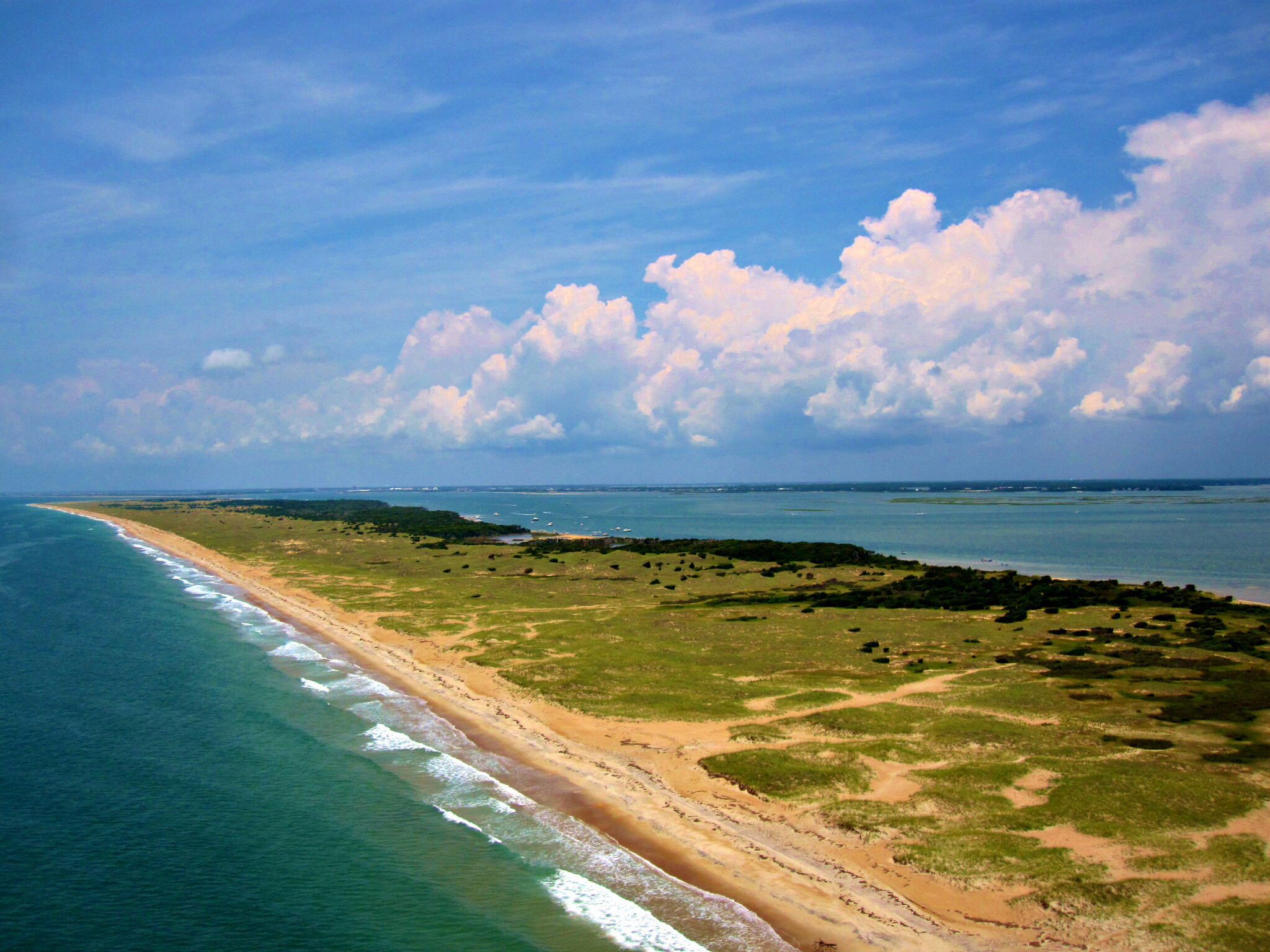
Shackleford Banks, eastern Johnsons Bay
Story


do you know more? contact me.
Title

D. Corey Lawrence interview
August 30, 2024
Horse pens area
—————————————————————————
Corey Lawrence’s family had two camps on Shackleford Banks—east of Horse Pens and at Wade Shore.
David Oliver Lawrence and wife, Annie Lee Rose built a camp to the east of the horse pens in the mid to late 60s. Corey remembers being there at four years of age when the family was adding on to the camp. Corey calls this and similar camps “good-year camps”, as additions and improvements occurred especially when the families had good years.
Corey remembers being placed on the front porch with hammer, nails and pieces of two by fours and hammering away to help with the project—he admits two things—one, they were getting him out of the way and two, he believes he recalls the event, but reflects that a picture of him “at work” may be what he remembers. “Pictures can become our memory”, he reflects.
The camp was a “little camp” with three rooms (about 20 by 20)—a common area with bunk beds along the walls, a “galley” with a small 4-burner propane stove with small rarely used oven (it brought the camp more heat), and a small closet like room with a bucket for a toilet and bathroom like items. A hand pump sat on the front (sound-facing) porch—and baths consisted of a bucket of cold pumped water poured over your head—they learned to pump the water early and sit it in the sun to warm it up.
It was Spring when they added to the camp. There were generational aspirations for the camp—looking to extended and enlarging family and evolving generations. More bunks and more room would be/were needed. Corey remembers “some nice homes” on the Banks.
Improvements included converting the back porch into a room and creating a low-pitched room to correct some issue with leaks. The addition created a 10×8 room. No fans—certainly, no AC—but windows allowed prevailing wind to “whistle through the windows” most times. Windows were screened. Grandfather was “well-enough off to afford” a hand pump insect sprayer to spray the screens when the wind dropped off and insects were ready to attack.
Banks camps were usually multi-generational like theirs. Each individual family was relatively poor. Camps were constructed with salvaged material being a large component. David and Annie built that way.
Corey believes legal ownership of the camp existed—he suspected “squatter’s rights” was all that existed. (The 1977 National Park Service survey designated David Lawrence as owner of this camp, however).
David’s, Corey’s dad and brother Kemp (wife Marla, and 6 kids) over time made more use of this camp. As the late 70s arrived, the grandparents made more days trips and less overnights—leaving the camp for use by the rest of the family.


Corey remembers usually “eating what we ‘marshed’ ”—colorfully meaning, harvested from the marsh—fishing, tending nets, clams, knocking oysters off the rocks—varied day by day. “Catching scallops”—another colorful local term. Corey was all about fishing and exploring till the day he found a surf board washed up on the beach. Now, he “never wanted to come home”—he even dreaded Saturday night’s arrival, because it meant leaving so as to be in church the next day.
Corey reflects on the parallel of the term “pray for peace, prepare-expect war” and the conflicting desire to still have the camps there and, at the same time, hold the dream of “living long enough to not see a trace of a man over there”—Banks without trash, cast-offs, ———-he and Nora “go to the same locations again and again where the two family camps stood” to anchor the boat, sit on the sand and explore—“to be home”. “That being home—let’s go back home”.
The Banks were multi-familial a nd multi-generational—uncles, aunts, cousins—neighbors —a great spirit of community—of support and interdependence,” not just in time of disaster”.
When “to the Banks”, it was, the more, the merrier”.—potluck meals, “like Jesus with a few fish”—everyone contributing something—everybody fully fed. Gathering like a big family—like a homecoming each weekend. “We’d sty for weeks except going home fort church—especially in 1982-1983.
‘
In the early 80s, sitting around, someone said—“Ive got cocoa and the fixings for fudge, if I just had some butter. Kikie Joe Willis, whose camp was down near Harry Preston Johnson, replied—“I’ve got some of that new “squeeze butter”—he jumped on a 3-wheeler and went to fetch it. It was the “bets fudge ever”—
Exploring—going on “treasure hunts” to see what could be found—beach combing—when on 3-wheelers, they kept to the horse paths to criss-cross the island or move up the shore. Finding the surf board began a 30-40 year journey for Corey. Walking the marshes, looking for bottles or remnants of Diamond /city or camp remains. One creek up the banks was called “laudanum creek” for the numerous laudanum bottles found in the area—likely someone in that area had an issue.
Many would tell others they were “home” by proudly flying an American flag. “Flag flying” by a “patriotic crowd’ (still remembering WWII) remains a childhood Banks memory.
Decoys
David Lawrence (son of David Oliver) was one of seven founders of the Core Sound Decoy Carvers Guild–David’s decoys (five seen below) and his flat art are some of the finest examples of Carteret County history. Son, Corey and grandsons carry on the heritage.


Credits
- NPS files and archives
- Corey Lawrence–Beaufort, N.C. and Downeast, Carteret County
- Core Sound Waterfowl Museum
- Other references within text